A pipeline stage is an internal description. A buying decision is something the customer needs to resolve. Teams get into difficulty when they assume those are the same thing.
A prospect can engage with content while the organisation has not agreed a problem. An opportunity can reach proposal stage while technical or procurement concerns remain unresolved.
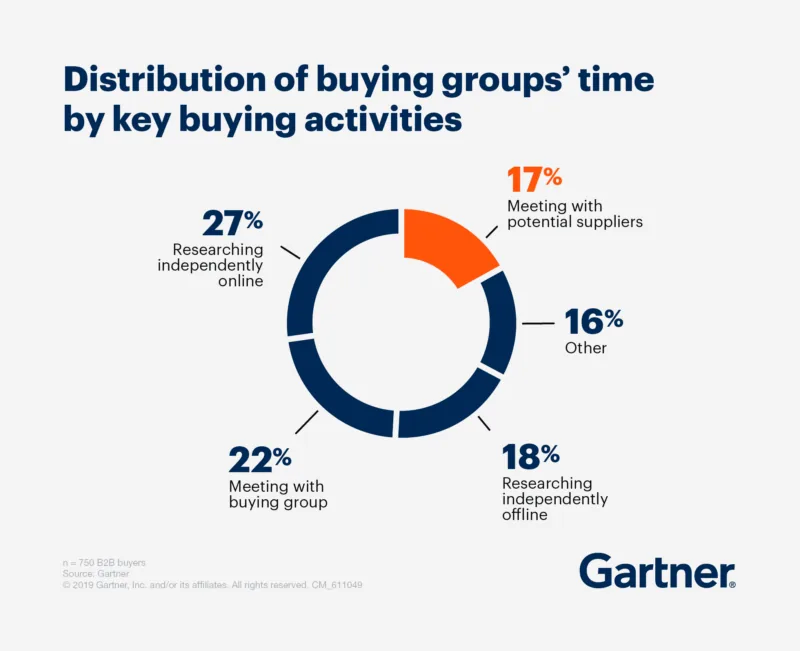
Define progress in terms of evidence
For each stage, identify what has been learned or confirmed: a meaningful problem, relevant stakeholders, evaluation criteria, implementation feasibility or a credible approval process.
Avoid movement based only on a seller activity. A meeting held is not necessarily a decision advanced.
Support the buying group
Build content around the questions different roles need to answer. A sponsor may need a value case, a technical evaluator integration detail and procurement a precise account of scope and risk.
Help customers share information internally. Evaluation material can be more useful than another generic nurture email.
Coordinate marketing and sales
Agree how marketing supports active opportunities, how sales shares context and how feedback improves future programmes. The initial handover is not the end of collaboration.
Use signals carefully
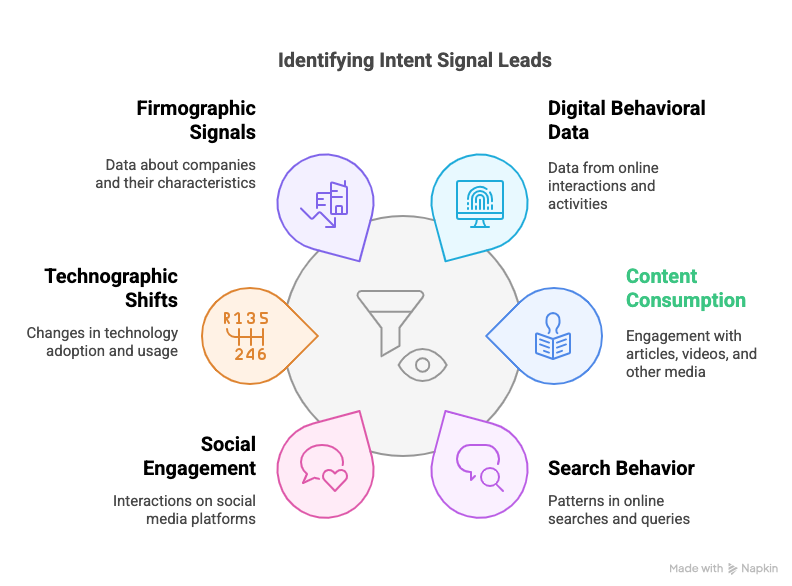
Engagement suggests where to investigate. It does not prove the whole buying group is ready. AI summaries and scores should frame questions, not silently replace judgement.
A better lifecycle model recognises that buying is not always linear. It clarifies the next decision and the work needed to support it.