B2B sales has always paid attention to important accounts. A useful account-based marketing approach is different not because it has a target list, but because it connects customer understanding, coordinated engagement and shared commercial measures.

An account is not a single buyer
A contact response says something about an individual’s interest. It does not explain the whole decision. Buying-group roles may include business owners, technical evaluators, finance, procurement and users.
Understand the decision and support relevant people. Do not simply collect more names at the same company.
ABM is more than media targeting
Account advertising can contribute, but a programme also needs sales involvement, useful content and follow-through. For active opportunities, marketing may be most useful in addressing evaluation questions or helping a champion explain the business case.
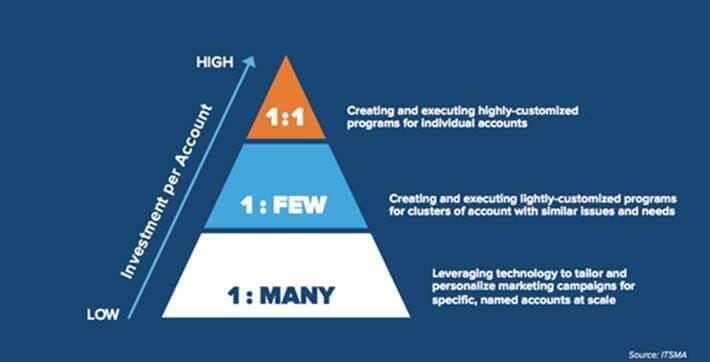
One-to-one, one-to-few and one-to-many describe different levels of focus. The choice should fit account value, buying complexity and capacity.
AI raises the standard for evidence
AI can make research and content adaptation faster. It also makes generic or inaccurate personalisation easier. Require sources, distinguish assumptions and validate claims before they reach customers.
The operating model matters more than the label
Some teams use account-based experience or account-based growth for a broader lifecycle approach. Choose language that clarifies the work, but avoid debating terminology instead of changing practice.
Agree priorities, owners and measures. Keep broad category demand where useful. Review account and opportunity progress together.
The meaningful shift is from targeting accounts to operating around them.